



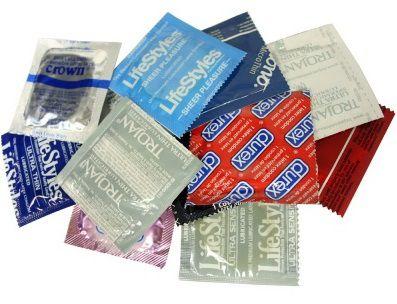
A hidden casualty of the ongoing cost-of-living crisis is showing up in bedroom drawers across the country: the condom.
Industry data released this week confirms that the average retail price of standard latex condoms has jumped nearly 15% over the past 18 months, with premium and vegan alternatives seeing increases as high as 25%. For the first time in a decade, public health officials are warning that price—not just access—may be driving a decline in prophylactic use.
“We’re seeing a perfect storm,” said Linda Greaves, CEO of the Condom Access Network. “Natural rubber latex prices are at a seven-year high due to climate disruptions in Southeast Asia, while post-pandemic shipping costs and energy hikes for manufacturing have erased razor-thin profit margins.”
Major manufacturers, including Trojans’ parent company and Lifestyles, confirmed price hikes to retailers in January, citing raw material costs and increased demand for nitrile gloves in medical sectors, which competes for the same supply chain.
For consumers, the pinch is real. A standard 36-pack that retailed for $16.99 two years ago now averages $19.49. More striking are the ultra-thin and specialty lines: some now exceed $1.25 per unit.
“I used to grab a box with my groceries without thinking,” said Miguel R., 24, a graduate student in Chicago. “Now I have to budget for condoms like I budget for gas. Sometimes I just take the risk.”
That statement alarms epidemiologists. Data from the CDC’s latest youth risk survey shows a correlating 8% drop in consistent condom use among lower-income 18- to 24-year-olds since 2024. Meanwhile, STI rates—particularly gonorrhea and syphilis—are climbing again after a brief plateau.
“When the cost of prevention rises, the cost of treatment follows,” said Dr. Helena Wu, an infectious disease specialist. “Treating one case of antibiotic-resistant gonorrhea can cost over $1,000. A condom still costs less than a coffee—but not by much anymore.”
Some relief may come from the public sector. New York City and Los Angeles County have expanded free condom mail-order programs, but clinics report waiting lists for bulk shipments. On college campuses, where health centers used to hand out condoms by the handful, many now limit students to three per visit.
The market’s future remains uncertain. While natural rubber prices have stabilized slightly this quarter, analysts expect retail condom costs to remain elevated through 2027.
“Safe sex shouldn’t be a luxury good,” Greaves added. “But right now, inflation has no condom.”
By: sadmohd25@gmail.com | Published: November 1, 2026


.jpg "TOWNHALMUBISOUTH (21)")