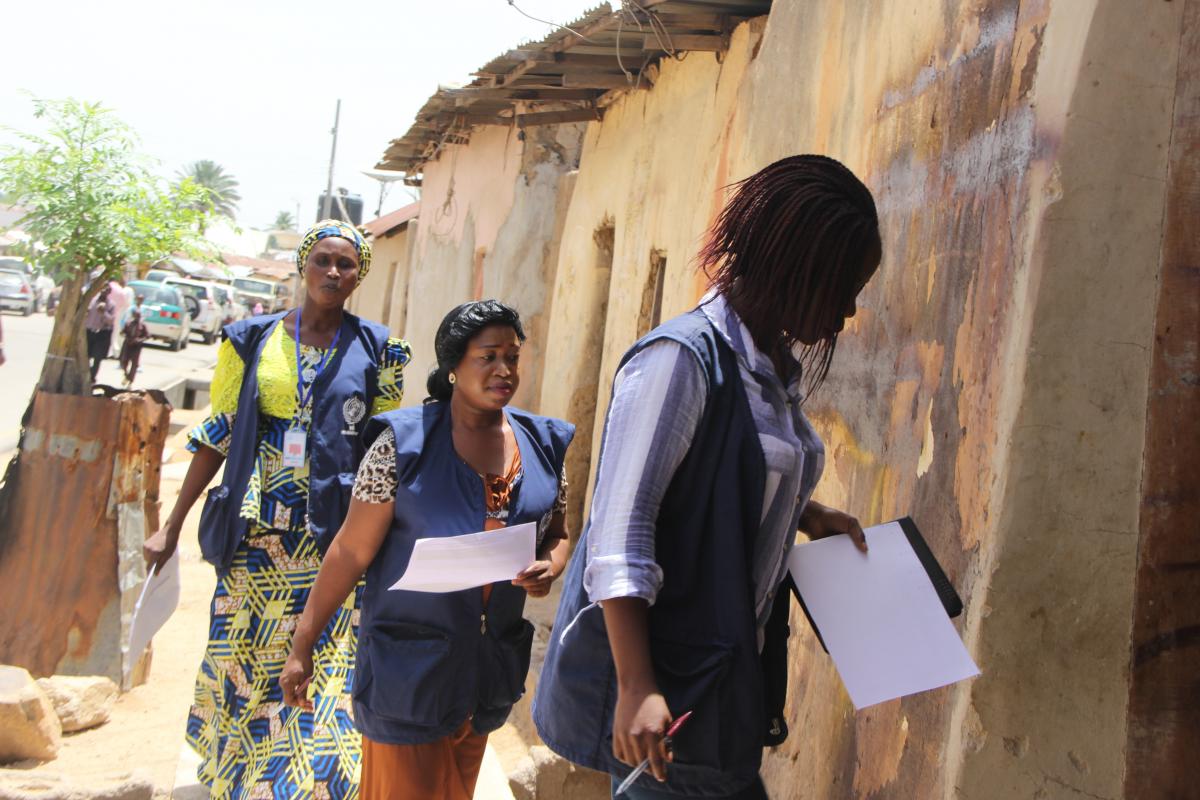
An examination of the cholera outbreak situation in Adamawa and Enugu States reveals a troubling disparity in immunisation coverage and public health preparedness. Adamawa State has recorded notable achievements in routine immunisation, successfully vaccinating over 1.4 million children against polio during recent campaigns and achieving nearly 99 percent immunisation access in communities such as Wauru-Jabbe, where community engagement and mobile health outreach have proven highly effective. Between September and December 2025, the state deployed ten mobile clinics that conducted over 410 outreach visits across ten local government areas, reaching more than 350,500 people with routine immunisation services. Despite these successes, the Adamawa State government has expressed deep concern over persistent vaccine rejection in some communities, driven by misinformation, myths, and mistrust—what health officials describe as a "poverty of knowledge." Deputy Governor Professor Kaletapwa Farauta warned that increasing cases of routine vaccination rejection are undermining public health efforts and contributing to repeated outbreaks of measles and other vaccine-preventable diseases.
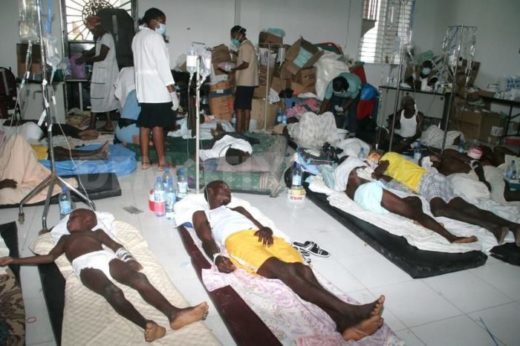
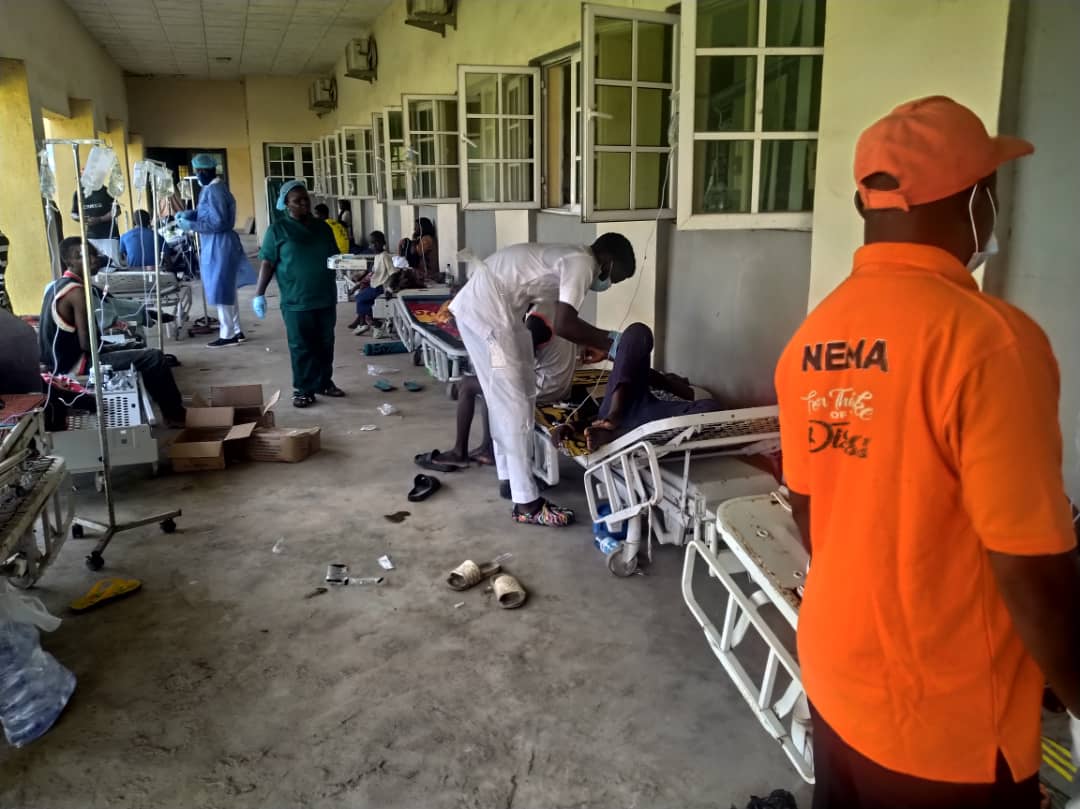
The most critical gap in both states is the absence of dedicated oral cholera vaccination campaigns in response to the current outbreak and alert. Adamawa is already battling an active cholera outbreak that has claimed at least seven lives in Yola North Local Government Area, yet no reactive cholera vaccination campaign has been reported. Enugu State presents an even more concerning picture: despite being placed on high alert by the Nigeria Centre for Disease Control due to predicted flooding between April 13 and 17, 2026, there are no publicly available reports of cholera vaccination campaigns or routine immunisation coverage data for the state. This information gap makes it impossible to assess the population's vulnerability or the state's preparedness to prevent an outbreak should floodwaters contaminate water sources as forecast. In contrast, Zamfara State has demonstrated a successful model for cholera vaccination, launching a reactive campaign that reached 964,765 individuals aged 1 to 45 years across six high-burden local government areas, supported by 1,194,742 vaccine doses released from the global stockpile through the World Health Organization.
The solutions to address these immunisation gaps require an integrated, multi-sectoral approach that goes beyond vaccination alone. First, both Adamawa and Enugu must urgently request oral cholera vaccines from the global stockpile through WHO and the National Primary Healthcare Development Agency, following Zamfara's successful template. Second, community engagement must be intensified to counter misinformation and build vaccine trust, particularly in Adamawa's resistant communities—traditional rulers, religious leaders, and local women's groups have proven effective as trusted messengers where government campaigns have struggled. Third, Enugu State must immediately publish its routine immunisation data and conduct a comprehensive risk assessment to determine baseline coverage and identify vulnerable populations. Fourth, the federal government's release of N68 billion for vaccine co-financing with the Gavi Vaccine Alliance must be directed toward cholera-specific preparedness in high-alert states, alongside continued support for mobile health outreach programs that have demonstrated success in reaching hard-to-access communities.
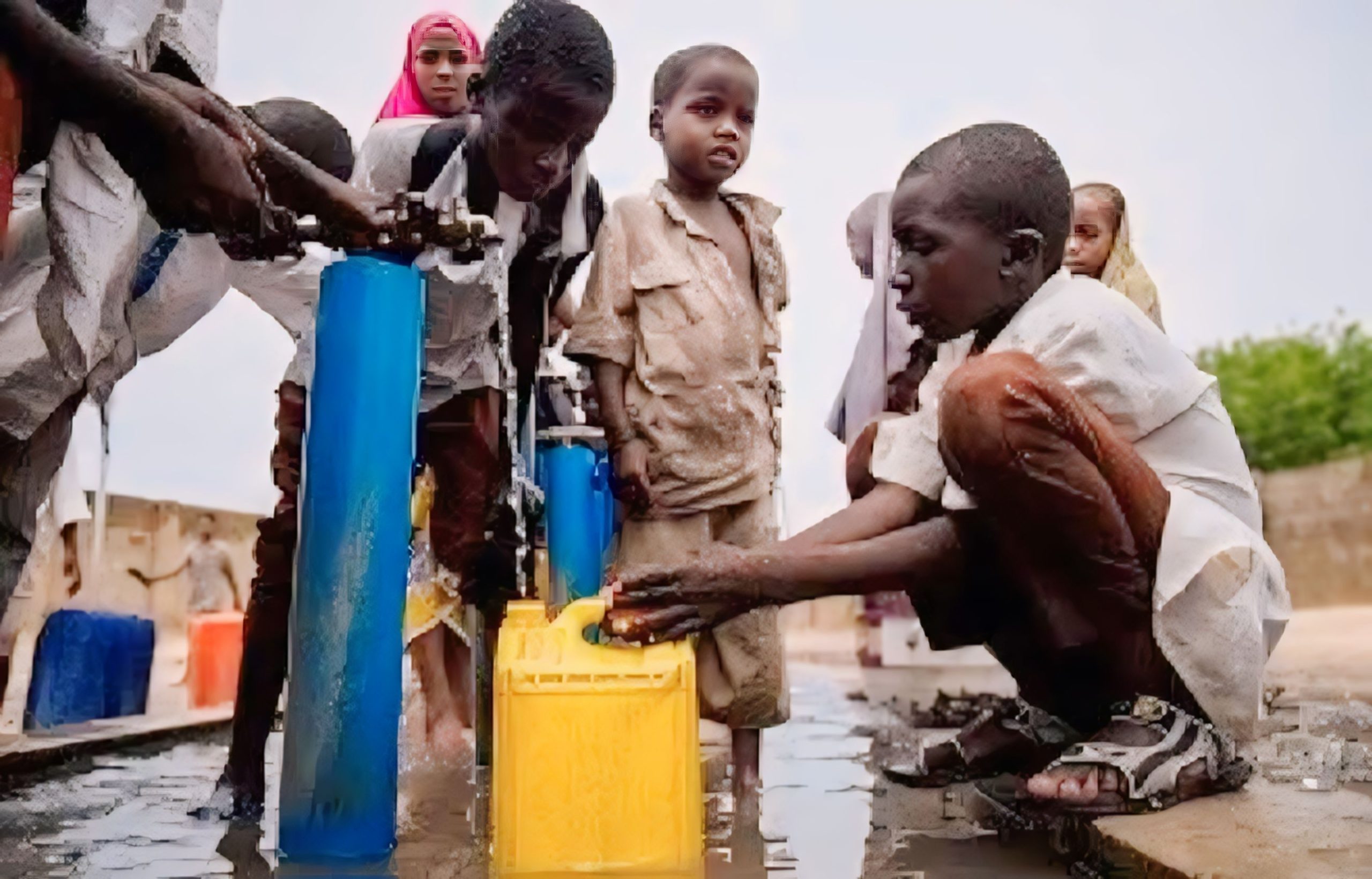
Ultimately, the fight against cholera in Adamawa and Enugu cannot rely on emergency response alone. Health experts consistently emphasise that vaccination must be complemented by Water, Sanitation and Hygiene (WASH) interventions—as demonstrated in Zamfara, where the response included a multi-sectoral approach through RUWATSAN addressing water supply and sanitation alongside medical response. With flooding predicted to intensify during the rainy season, contaminated water sources and disrupted sanitation systems will continue to pose risks even for vaccinated populations if WASH infrastructure remains inadequate. The NCDC has emphasised that community-level action is critical: residents must boil or chlorinate drinking water, wash hands frequently with soap, avoid contact with floodwater, and seek immediate medical care for diarrhoea or vomiting. Without urgent action to deploy oral cholera vaccines, strengthen WASH infrastructure, counter misinformation, and improve data transparency, both Adamawa and Enugu remain dangerously vulnerable to an escalating cholera crisis that could have been largely prevented.
By: sadmohd25@gmail.com | Published: November 1, 2026


.jpg "TOWNHALMUBISOUTH (21)")