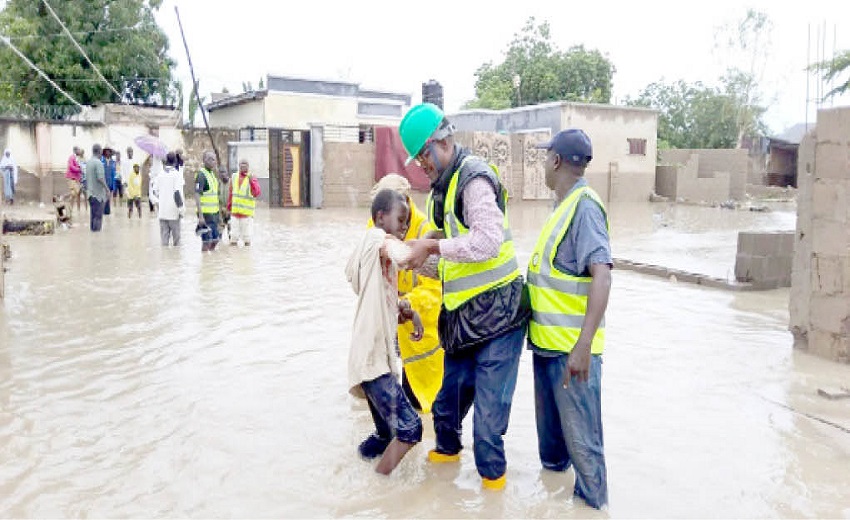


Recent data from late 2025 indicate a steady influx of displaced persons into parts of the state, with more than 800 new arrivals recorded weekly during peak periods. Children account for nearly half—44 percent—of these new arrivals, highlighting critical protection concerns. Across Borno, Adamawa, and Yobe states, an estimated 5.1 million people faced food insecurity during the 2025 lean season, with approximately 450,000 projected to reach emergency hunger levels. Seasonal flooding has compounded the crisis, particularly in Yola North and Yola South, where flash floods have destroyed homes, farmlands, and infrastructure.
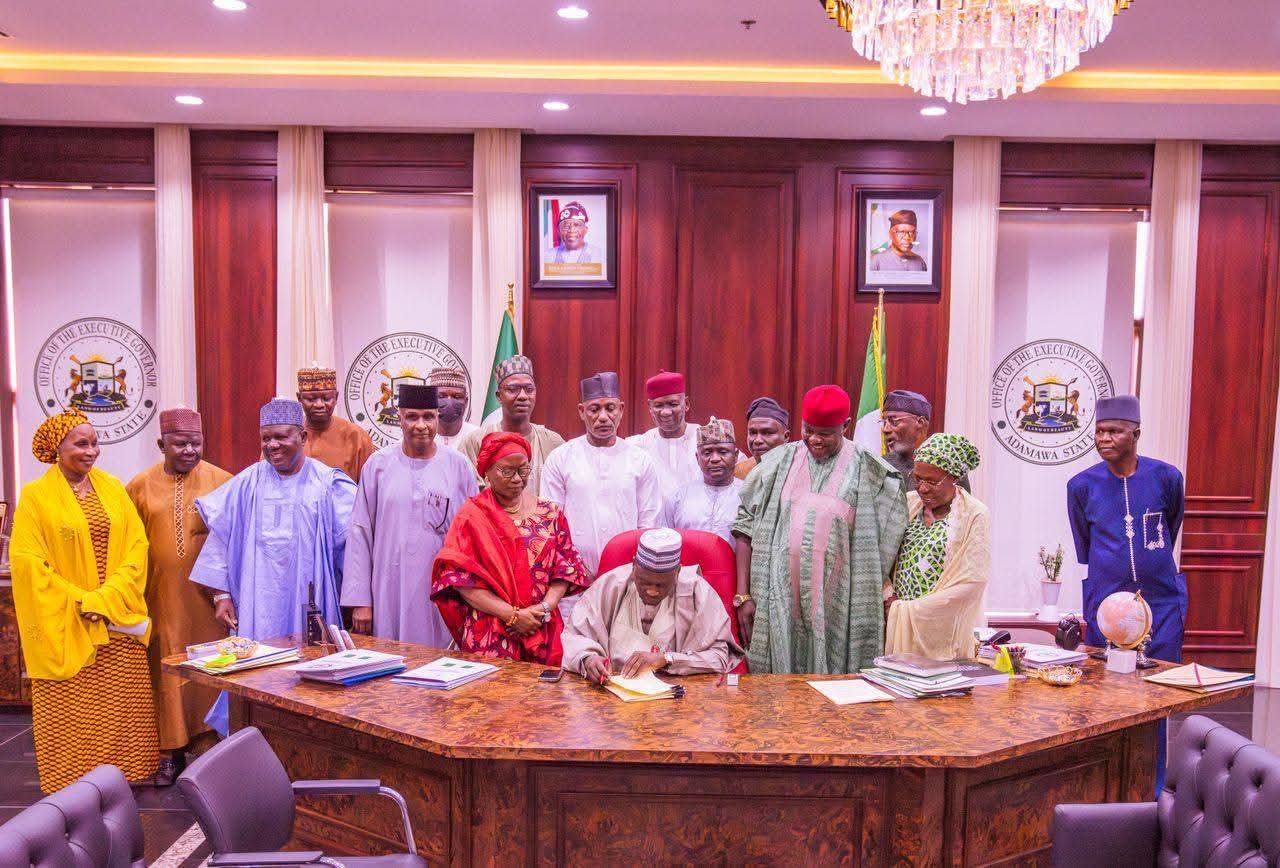
In response, the Adamawa State Government has intensified efforts to transition from emergency relief to sustainable recovery. Under Governor Ahmadu Umaru Fintiri, the state has adopted a Recovery and Peacebuilding Programme aimed at fostering resilience and long-term development. Among key initiatives is the development of a State Action Plan on Durable Solutions, positioning Adamawa as a pioneer in shifting from humanitarian aid to structured recovery. The government has also committed N300 million toward combating malnutrition under the Nutrition 774 Initiative.
Economic empowerment programmes have targeted vulnerable households, particularly in conflict-affected areas such as Madagali, where 2,500 households received cash grants, vocational tools, and agricultural inputs. Officials report a reduction in the state’s poverty index from 74 percent to 60 percent within eight months in 2025, though independent verification remains limited.
International and national organizations continue to play a central role in humanitarian coordination and delivery. Agencies have scaled up anticipatory responses to flooding, while cash assistance programmes have reached tens of thousands of vulnerable residents. Shelter interventions have expanded significantly, with hundreds of housing units constructed across key locations, alongside health facilities and community infrastructure. Emergency response agencies have also distributed food and non-food items to households affected by natural disasters, including windstorms and floods. Federal cash transfer programmes have further extended support, reaching nearly 200,000 beneficiaries across the state.
Private foundations have emerged as key actors in bridging humanitarian gaps, often delivering rapid, community-level interventions. In 2025, notable contributions included the payment of medical bills for indigent patients, support for new mothers, and the release of inmates through the settlement of fines—an initiative praised for aiding reintegration and reducing prison congestion. Other interventions have focused on conflict mediation between farmers and herders, youth empowerment through financial grants, and environmental campaigns such as tree planting to combat climate change. While widely commended for their immediacy and impact, such efforts have also sparked debate over sustainability and the broader role of philanthropy in public service delivery.
Despite these combined efforts, significant challenges persist. Humanitarian actors have raised concerns over declining global funding, which threatens the continuity of critical interventions. Limited financial support has constrained anticipatory flood responses, while major agencies continue to face funding gaps in sustaining food assistance and emergency programmes. Communities affected by recurrent flooding remain in urgent need of food, shelter, healthcare, and clean water.
Adamawa’s humanitarian situation reflects a complex interplay of conflict, climate shocks, and economic hardship. While progress has been made in shifting toward recovery and resilience, the path forward will require sustained investment, stronger local ownership, and improved coordination among stakeholders. As the state navigates this transition, the success of its response will depend not only on the scale of assistance but also on its ability to deliver lasting solutions for displaced and vulnerable populations.
By: sadmohd25@gmail.com | Published: November 1, 2026


.jpg "TOWNHALMUBISOUTH (21)")