

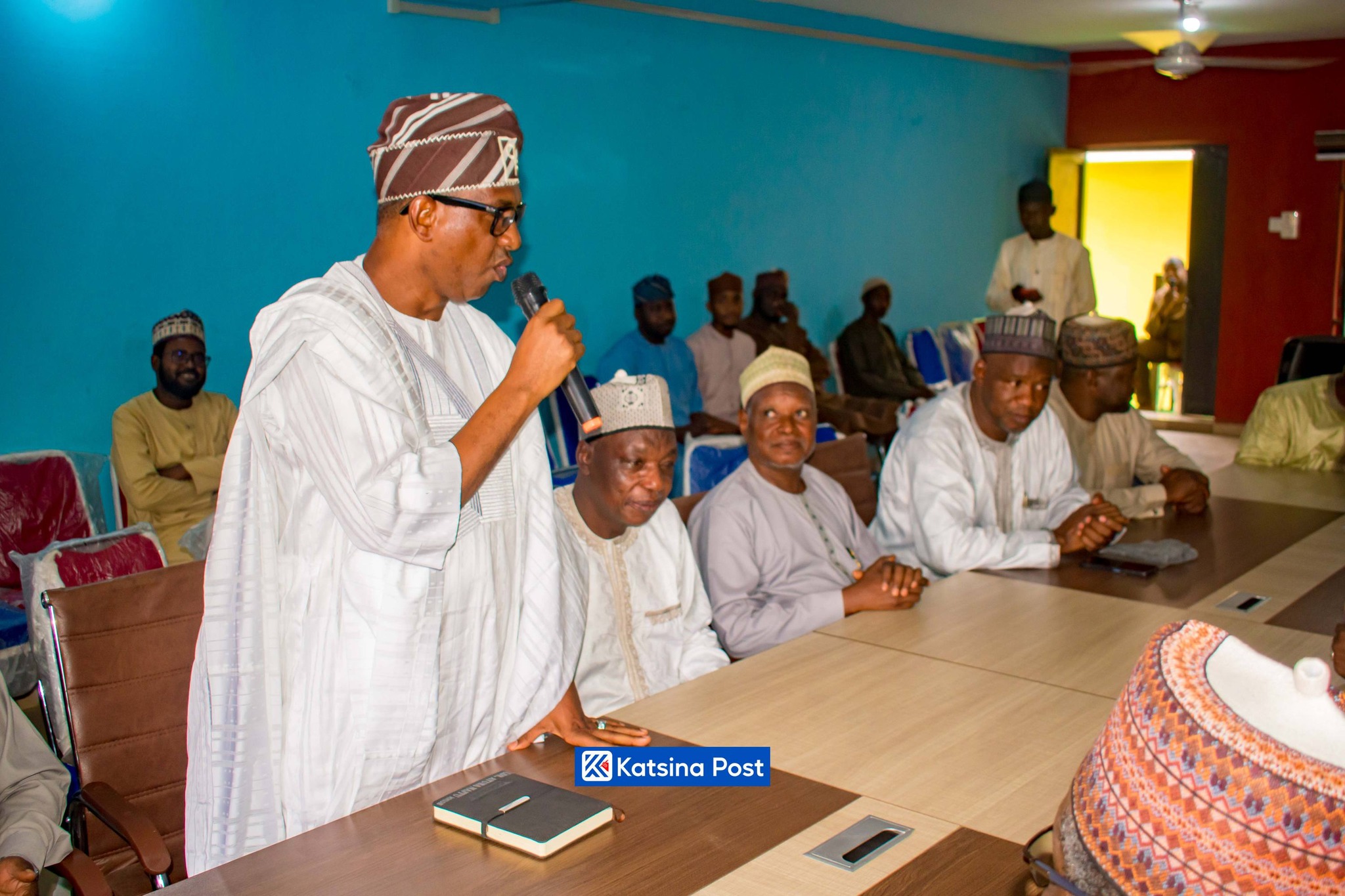
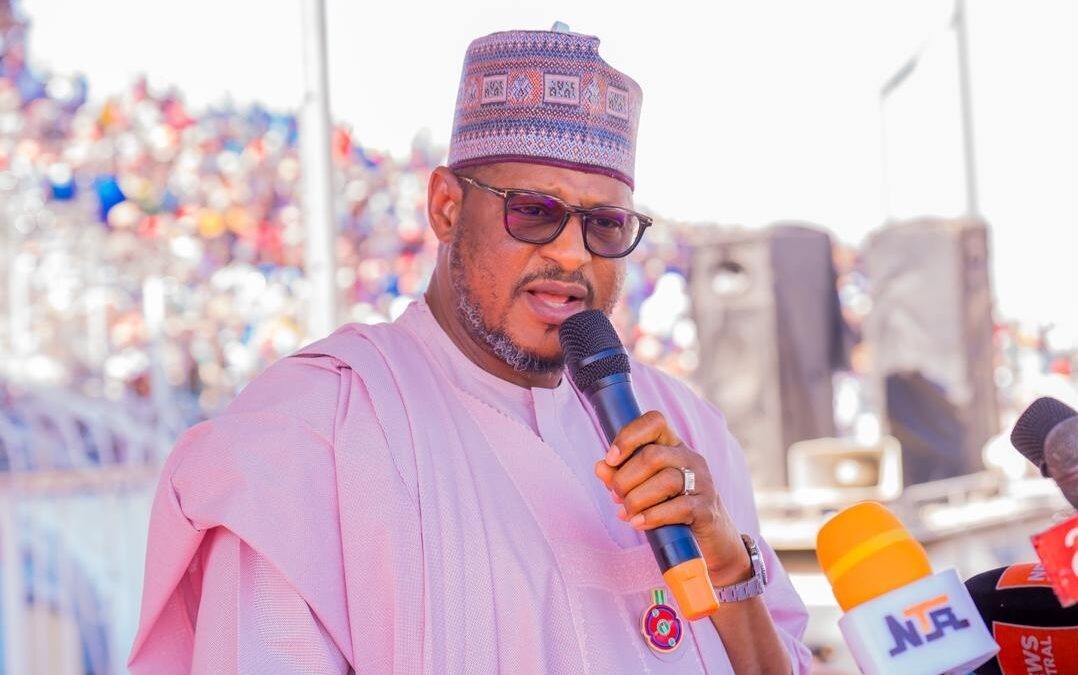
Speaking at the Government House, Katsina, on Tuesday, Governor Radda explained that the decision was informed by rising cases of gang violence, street thuggery, and public disorder, particularly in urban centres. He reiterated that the government will not tolerate any form of lawlessness capable of undermining public peace and safety. The Executive Order, issued under Section 5(2) of the 1999 Constitution and relevant Penal Code provisions, empowers authorities to take coordinated action against all forms of thuggery.
At the centre of the Order is the establishment of the Katsina State Kauraye and Thuggery Suppression Task Force, comprising the Nigeria Police Force, DSS, NSCDC, NDLEA, the Katsina State Community Watch Corps, Hisbah Board, relevant ministries, and ALGON. The Task Force is mandated to identify and dismantle miscreant networks, conduct intelligence-led operations, arrest offenders, confiscate weapons, monitor hotspots, and work with communities to prevent youth recruitment. Governor Radda further warned of a zero-tolerance policy, stating that anyone found engaging in thuggery would face the full weight of the law. Mobile courts will be established, coordinated by the Ministry of Internal Security and Home Affairs, to ensure swift trials.
The attack on Mustapha Sadiq, publisher of Katsina Post and a state budget-tracking officer for BudgIT, threw a harsh spotlight on the perilous role these civic defenders play. On April 4, three to five masked men scaled his fence in Batagarawa LGA at 2 a.m., inflicted machete wounds on his head and upper body, and fled with his vehicle (later recovered) and phone. He remains hospitalised. BudgIT’s Country Director, Vahyala Kwaga, described the operating environment as “very volatile” with “continuous challenges to the closing civic space.” These officers verify whether roads, schools, and health centres receive allocated funds, empowering communities to demand transparency. Yet they often work without protection, and Sadiq’s case is not isolated.
Analysing the promptness of response: the executive order came ten days after the assault. While relatively swift by Nigerian standards, a truly prompt security response would have seen action within 48 hours. Historically, previous attacks on journalists and civil society advocates in Katsina have met sluggish police investigations, few arrests, and no prosecutions. The police did begin a probe, but it remains unclear whether the new Task Force will take it over. Meanwhile, community leaders—traditional rulers and elders—have a mixed record. In past incidents, including March clashes that left three dead in Tudun Wada and elsewhere, local leaders were often silent or slow to condemn violence. Some have been accused of tolerating “Kauraye” gangs linked to political patronage. Governor Radda’s Order now explicitly tasks traditional and religious leaders with preventing youth recruitment—an admission that security alone is insufficient. But the question remains whether they will act proactively or wait for the next attack.
For the betterment of the nation, communities must embrace and protect BudgIT officers and similar accountability defenders. These individuals are not outsiders; they are allies who expose corruption and ensure public funds benefit ordinary people. Community members can provide local intelligence to security agencies, set up neighbourhood watch networks, demand that traditional rulers speak out against attacks, and refuse to let their youths join gangs often used to intimidate civil society. As BudgIT stated after the attack, police must investigate whether Sadiq’s work provoked the assault. The success of the crackdown will depend not on the executive order alone, but on swift justice from the mobile courts, genuine intelligence operations, and a community culture that protects those who fight for transparency. Those present at the signing included the Secretary to the State Government, the Chairman of Katsina LGA, the Commissioner for Internal Security and Home Affairs, and the Commissioner for Justice. Governor Radda reassured citizens of his administration’s unwavering commitment to safeguarding lives and property, declaring: “We will not allow lawlessness to thrive in our state.” But the next attack may already be planned; whether it meets community resistance or silence will determine if Katsina truly turns the tide.
Ibrahim Kaula Mohammed: Chief Press Secretary to the Governor of Katsina State
By: sadmohd25@gmail.com | Published: November 1, 2026


.jpg "TOWNHALMUBISOUTH (21)")