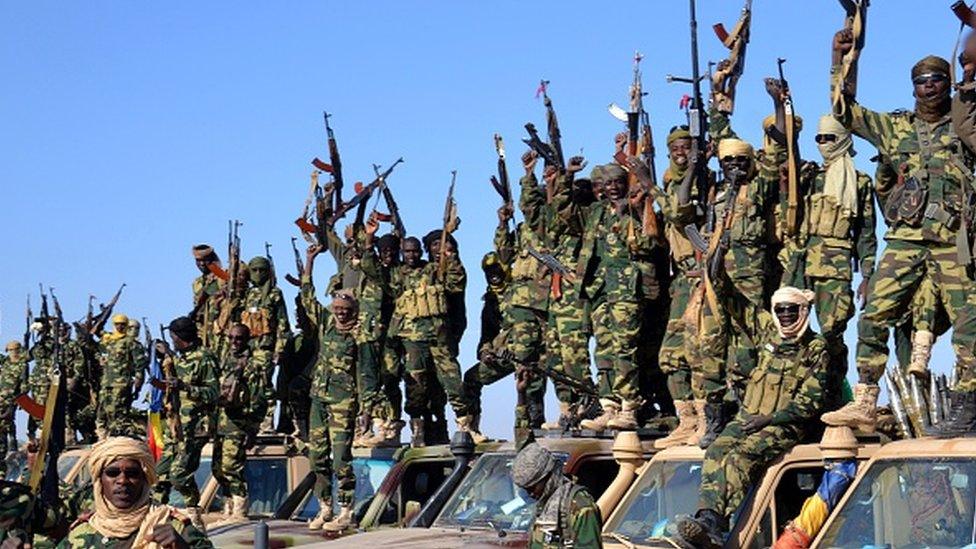
Today, although the military has pushed the group out of major towns, the insurgency has merely mutated—from conventional warfare to a brutal, asymmetric campaign of suicide bombings, ambushes, and abductions that continues to bleed the state.
Boko Haram first infiltrated Adamawa from its stronghold in Borno around 2012. The early years were marked by targeted killings: in 2012 alone, militants shot dead 20 Igbo Christians in Mubi and attacked a student housing complex, killing 40.
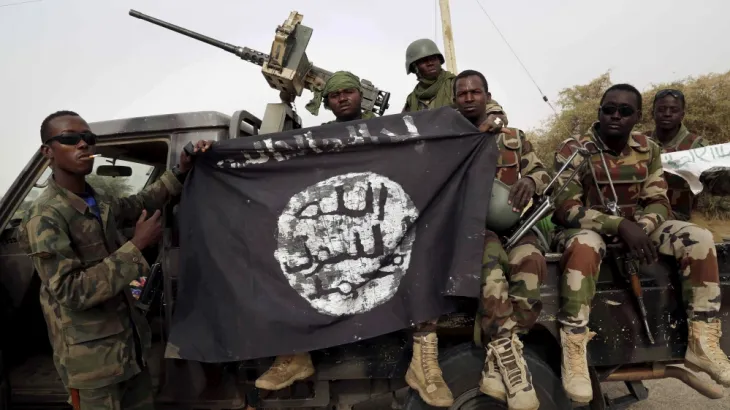
The watershed came in 2014. In a single October raid, the group seized Michika and Shuwa, killing 37 civilians. Days later, thousands of fighters rolled into Mubi—the state’s second-largest city—hoisting the black flag and declaring it "Madinatul Islam." For three weeks, residents lived under terror until a military counter-offensive retook the city in November 2014.
But the damage was done. Suicide bombings became routine. In December 2015, a blast in a Madagali market killed 30 people. In November 2017, a mosque in Mubi was blown up during Friday prayers, leaving 50 worshippers dead.
President Goodluck Jonathan declared a state of emergency in Adamawa, Borno, and Yobe in 2013. Since 2015, the military’s Operation HADIN KAI has gradually clawed back territory. Local vigilantes and the Civilian Joint Task Force (CJTF) have played key roles in intelligence gathering.
In early 2026, military sources confirmed intensified operations. In February, troops killed a top Boko Haram commander in a raid near the Sambisa Forest. In December 2025, an attack on Mayo Ladde village was foiled by soldiers and local hunters.
Yet the group has adapted. Splinter factions like ISWAP (Islamic State West Africa Province) now operate in Adamawa’s rural borderlands, staging hit-and-run attacks. In 2021, an assault on Hong LGA killed seven and displaced 5,000. In 2023, a bomb near Mubi killed 25 travelers.
The human toll is staggering. Over 2.6 million people remain displaced across northeast Nigeria, with Adamawa hosting tens of thousands in camps like Malkohi on the outskirts of Yola. Aid cuts in 2023–2025 forced clinic closures; many families survive on plain cornmeal pap.
“We cannot go home,” says Fatima Musa, a mother of four who fled Michika in 2014. “Our village is still attacked at night. The military controls the town, but the insurgents control the bushes.”
Local officials acknowledge the fragile peace. While no major town is under Boko Haram control, the group still mounts ambushes on highways, torches harvests, and kidnaps for ransom. In January 2026, gunmen abducted 14 women from a farming settlement in Madagali; they were released after a ransom payment, according to community leaders.
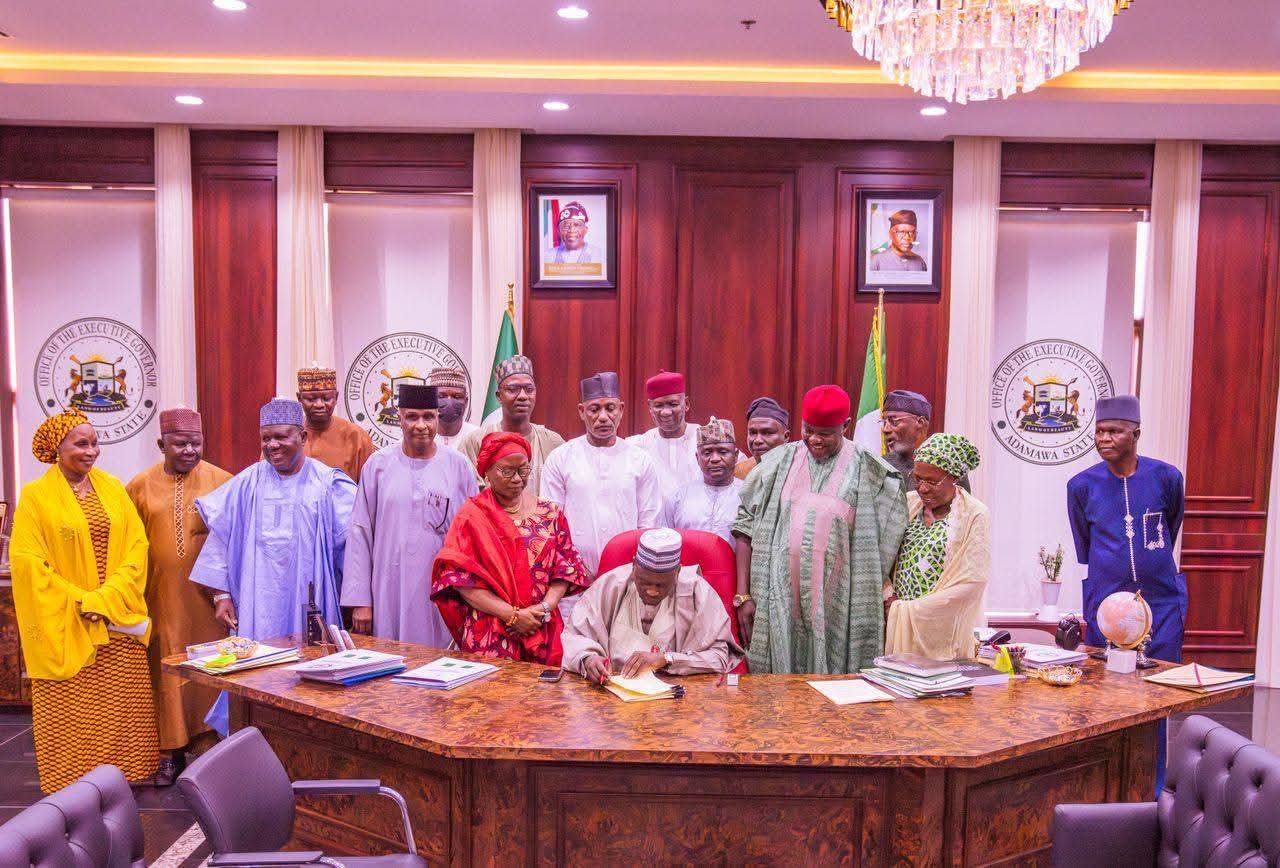
Governor Ahmadu Fintiri, in his recent security briefing, called for renewed regional cooperation and better intelligence sharing. “We have broken the back of territorial Boko Haram,” he said, “but we are now fighting a shadow. That requires a different kind of war.”
For now, Adamawa remains a state where children have known nothing but conflict, where displaced families mark a decade in makeshift shelters, and where every crowded market or mosque carries the echo of past explosions.
The war is not over. It has simply changed shape.
By: sadmohd25@gmail.com | Published: November 1, 2026


.jpg "TOWNHALMUBISOUTH (21)")